Corporate retreats have a funny way of revealing what teams really need. Stepping into new locations opens the door to creative thinking, outside of job roles and titles.
But the best retreats don’t happen by accident. They’re shaped by planning and structuring, so teams can come together like never before.
Here’s how to turn corporate retreat ideas into an event your teams will remember long after their journeys home.
What makes a corporate retreat stand out?
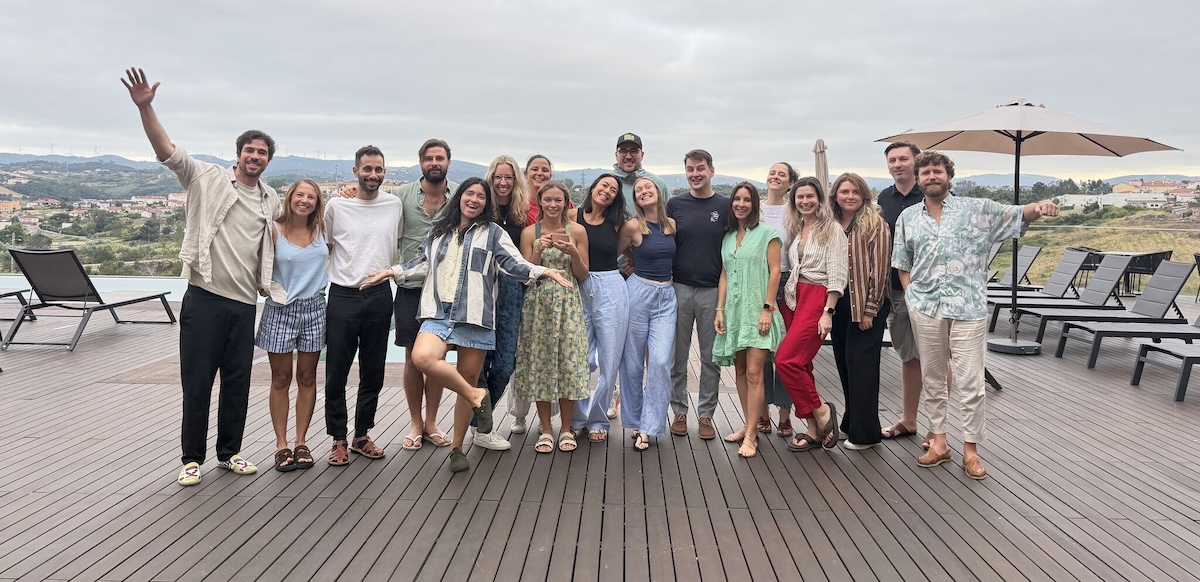
A strong corporate retreat is easy to spot. It has an atmosphere that’s perfectly suited to its purpose. You see the whole team leaving feeling more connected, more relaxed, and more aligned than ever before.
The difference between a standout retreat and a forgettable one usually comes down to planning. The retreat doesn’t need to be ram-packed with distractions or designed to impress people on paper. A standout retreat gives teams the right kind of space, where they can think deeply, connect and step away from the usual-ness of everyday.
The retreat venue and location, of course, play a big part too. Switching up the scenery is actually great for helping people drop titles and roles, instead creating room for more honest and reflective conversations. The in-between moments are often the real value of a retreat, and help to solidify the whole unit.
Getting that balance right means the retreat feels like a real-life, shared experience. That’s what makes it stand out long after the last attendee has left.
How do plans, agendas and activities all come together?
Behind every memorable corporate retreat is a combination of moving parts, all working quietly in sync. When your planning, structure and experiences are all aligned, the retreat feels effortless for the team (even though a lot has gone into making it that way!).
Here we’re breaking down the three most important aspects of a corporate retreat that actually reinforce one another:
Planning gives the retreat its direction
Every great corporate retreat has an invisible framework holding it together. That framework works best with early planning. Not the type that sits only on spreadsheets, but the early thinking that quietly guides everything that follows.
For those planning out retreats, it’s best to break it down into a clear sequence. Organizing should start with defining the purpose of the retreat and moving through decisions around timing, location, group size and logistics. At a high level, retreat planning tends to cover areas like:
- Clarifying the goal of the retreat before anything else
- Choosing a location that supports that goal
- Setting realistic dates and expectations
- Considering travel, accommodation, and accessibility early
- Leaving enough breathing room for teams to stay energized
Taken together, these steps can give your retreat a true sense of direction. Breaking it down can help decisions feel intentional instead of reactive, and prevent the experience from becoming cluttered or rushed.
This kind of planning will also protect high energy levels across the retreat. Carefully getting the details right in advance means your people can arrive ready to engage instead of already feeling drained. And just as importantly, a solid plan will leave space for flexibility, so that conversations and moments can unfold naturally.
We love covering every step in corporate retreat planning. Make sure you check our 12-step guide to tick every box needed for a retreat of a lifetime!
Agendas shape the flow of the experience
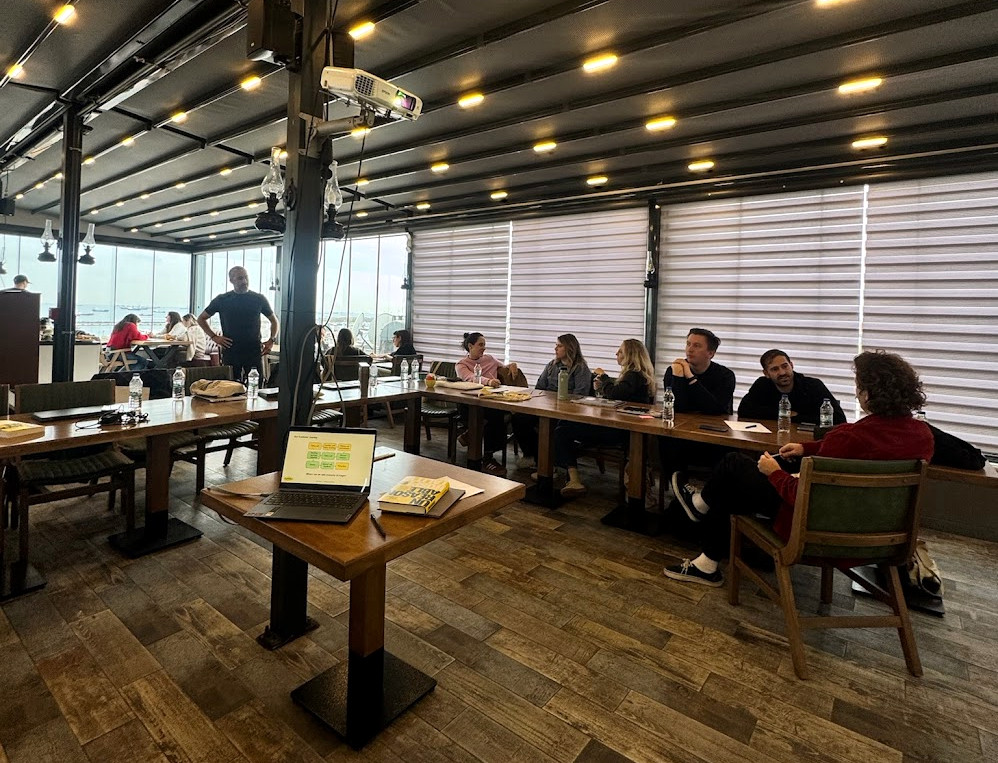
If planning gives a retreat its direction, the agenda decides how it actually feels on the day. Getting your agenda crafted means you don’t need to fill every single hour. You’re more focused on managing energy, attention and momentum, so that the experience flows naturally from start to finish.
Your agenda is the clock that the event sticks to, and the best retreat agendas tend to share a few common traits. In the extensive retreat agendas we’ve explored, we found that the best retreat structures focus on things like:
- Creating a clear rhythm between focused sessions and downtime
- Avoiding back-to-back intensity that drains energy too quickly
- Grouping similar types of sessions together to maintain flow
- Leaving space for informal conversations and spontaneous moments
- Ending days on a lighter note, so teams don’t mentally check out before dinner
Missing this balance means that even the best-thought-out retreats can start to come apart at the seams. If sessions are running too long, energy dips and people naturally start checking out. We all know how easily an event slides into chaos when retreat structure is missing.
We’ve got every detail covered to stop this in our 8 retreat agenda examples. Following the agenda most suited to your team means you can set a steady pace without making the experience feel overly controlled.
Activities are what teams remember afterwards
Long after the retreat is over, it’s rarely the agenda blocks or meeting notes that people still chat about in the office. They love talking about the shared experiences, the moments when they were all laughing. Those times when they were collaborating or trying something completely outside of the usual day are what shine in their mind.
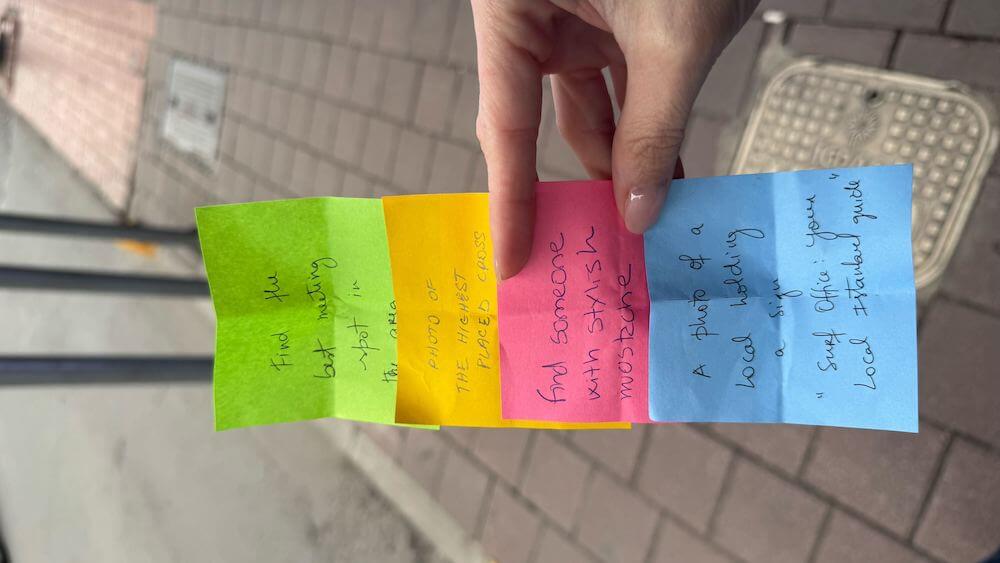
This is where teambuilding activities become the icing on the retreat cake. In the corporate retreats that we’ve designed, we always found that activities were the best thing for bringing people together. Some of the activity ideas that landed best had a few things tying them together:
- They encourage participation without putting anyone on the spot
- They focus on shared experiences rather than individual performance
- They create natural opportunities for conversation and connection
- They feel inclusive, regardless of role or seniority
- They leave teams with stories to tell once they’re back at work
Retreat teambuilding games and activities can also focus on resetting more than stepping up. Getting away from screens and job titles should be one of the key things that helps teams relax into the retreat experience. The right activities help members connect more deeply, so that relationships strengthen without having to force anything.
Whether your activities are focused on the creative, social, or just outright for fun, these moments will likely become the highlight of your retreat. Inspiration for your squad is here, with our fun corporate retreat activities guide, for all types of teams!
Corporate retreat ideas based on your team's goals
Once the goal of the retreat is clear, the rest starts to feel less like guesswork and more like design. You don’t need to juggle endless retreat options anymore; you just want to shape the experience around one clear outcome.
When the goal is alignment and clarity
These kinds of retreats are best when there’s clear room for open conversation. The format should be focused on a calmer setting, with fewer distractions, so people can think out loud together. Shared understanding is the objective, instead of racing through talking points.
When the goal is stronger relationships
Shared experiences should be the aim of the game when you’re looking for stronger relationships. Acing your teambuilding activities and social moments will grant the relaxation and connection they need in a more natural way.
When the goal is celebration or recognition
This is where experience-led retreats come into their own. These are the trips that have that special touch right from the start. The setting and atmosphere matter just as much as what’s on the agenda. These retreats should be designed to mark a special moment in time.
When the goal is well-being
Keeping things at a slow pace is best when your team’s goal is to feel better afterwards. Don’t be afraid to use lighter schedules and open time, so they have space to reset and don’t feel rushed from one thing to another.
How to narrow down your corporate retreat choices
When it comes to corporate retreat ideas, the hardest part often comes from choosing what to leave out. With so many directions to go in, retreat planning can quickly start to become a muddle of strategy resets, wellness escapes, team parties and leadership summits, all at once.
The best place to start is by asking what your team actually needs right now, not what just sounds impressive on paper. Some teams might open up about feeling low on energy, and they’d benefit most from slowing things down, which is what makes corporate wellness retreats so appealing. Other teams are already in celebration mode, marking their milestones with something a little more polished, like a luxury corporate retreat that feels well-earned.
The key to this is picking a lane. Retreats tend to work best when they lean into one direction instead of trying to cover every base. A focused retreat feels calmer, more intentional and far easier for teams to settle into. Nobody wants to arrive and wonder what they’re supposed to be doing next.
It’s also worth remembering that there’s no universal “best” retreat format. Something that works brilliantly for your teams might really fall flat when another team tries it. Explore different styles, get into the way your teams are feeling. You could focus on playful experiences in a fun corporate retreat, or opt for a slower-paced getaway. You’ll only really know what teams will benefit from once you’ve asked them.
Once that direction is clear, everything becomes much easier to decide.
What are Surf Office’s ideas for the best retreat locations?
A lot goes into choosing the right destination for your retreat. Picking the right place can make a world of difference in how your teams work together. Through our years of experience, we’ve been lucky enough to try all these places, and have them listed below for you:
Europe-based retreats
Often chosen for a slower pace, cultural depth, and a real sense of stepping away from routine, European destinations can bring something out of the ordinary for all of your members. Locations include:
- Spain: Relaxed atmosphere with plenty of space for social connection
- Portugal: Popular for balanced retreats mixing focus and downtime
- Italy: Ideal for shared experiences around food, culture, and recreation
- Greece: Well-suited to reflection-led retreats in calmer settings
- Turkey: A strong option for teams wanting something culturally rich but less predictable
- United Kingdom: Great for teams who want to minimise travel while still changing scenery
- Berlin: A fantastic choice for combining city energy with access to quieter, retreat-friendly surroundings.
USA retreats
US-based retreats might be your best option if logistics need to stay simple. Or, you might be aiming for high momentum, without long travel times:
- New York City: Great for high-impact retreats that last a few days, or mini team retreats
- Los Angeles: Best for creative teams who work well with space, variety, and a spark of fun.
- Miami: One of the most vibrant beach/city combos makes it suited for mixed-purpose retreats of any size.
- San Diego: Sunny, beachside vibes with great walkable neighbourhoods for urban exploration.
- Santa Cruz: Idyllic Californian coastlines are great for teams combining nature and work.
International and remote-team retreats
International and remote teams benefit from retreats just as much as teams based on-site. Bringing them together for a strong shared experience can feel genuinely different from their everyday work. Some destinations include:
- Asia-Pacific retreat destinations: An increasingly popular choice for global teams looking to combine cultural discovery with outstanding teamwork opportunities.
- Mexico: Often chosen for its accessibility while still delivering the wow-factor, Mexico is a great choice for scattered teams in need of time away.
- Montreal: A lively, culture-rich city that has an international feel, but doesn’t come with long international flights.
- Vancouver: A coastal city with mountains and ocean scenery, Vancouver is great for blending outdoor adventure with productive work sessions.
Seasonal retreat destinations
Sometimes, when you travel matters just as much as where. Organizing a retreat for a specific season can help your teams reset their energy at the most important moments of the year.
- Winter retreats: These are ideal for lifting morale during darker months, which can really affect your team’s productivity.
- Spring retreats: Often best for strategic resets, when teams are planning ahead and looking for new momentum.
- Summer retreats: Popular for social connection, celebration, and lighter schedules that take advantage of longer days
- Autumn retreats: These can be a strong option for reflecting as a group and aligning on priorities before the year-end.
Choosing a retreat based on the time of year also makes it easier to avoid dreaded burnout. Instead of squeezing a retreat into an already busy period, aligning it with the natural rhythm of the year can help teams arrive more present and leave feeling genuinely refreshed.
Can I get some help on budgeting for my retreat?
Budgeting is often the aspect of retreat planning that causes the most hesitation. But it doesn’t need to be that way. When you’re well-planned, your budget can be backed up with smart trade-offs, ensuring your retreat supports your goals without added stress.
Start with clarity before the numbers
Before you start crunching the data on what you’re spending, it will help to define what matters most for your retreat. Is the priority connection, focus, celebration, or rest? Once that’s clear, budgeting becomes a design tool rather than a restriction.
You can actually start helping yourself out by following our free retreat budget calculator. Who knows what blind spots you might have missed when planning? Our handy guide will help!
Get your head around the biggest cost drivers
Most retreat budgets are dominated by a few core decisions. These are the location, length and group size, followed closely by the type of accommodation and the activities you’ll be doing.
You can actually break it down into smaller measures with our step-by-step budget planner, complete with scenarios.
Where teams can save without sacrificing quality
There’s also the fact that not every great retreat needs luxury to stand out. Many teams find that being more intentional with their budget helps cut unnecessary costs. You’ll likely find yourself saving quite a lot by just simplifying your transport, or by prioritising fewer, better activities.
Budgeting beyond accommodation
Especially if it’s your first retreat, it’s easy to hyper-focus on where teams stay. But you’ll quickly lose track of other logistical details, which will quietly but surely inflate the cost of the trip. Just planning your flights early can make a noticeable difference, especially for larger groups.
Venues do still play a vital role, though, as the right space can reduce the need for equipment hiring or off-site activities. Guidance for selecting cost-effective spaces is covered in our guide to the perfect venue for your next retreat.
Being as flexible as possible
Lastly, don’t lose sight of the fact that the best retreat plans are made with a little breathing room. Leaving space in your budget means you can adapt if (or when) new opportunities come up.
We’ve seen so many company retreat fails and company offsite mistakes happen when budgets are locked in too early. The most common result is that there’s no room to respond to changes. With clearer cost visibility from the start, you’re free to plan responsibly while still leaving some space for spontaneity, which is always good for a retreat.
Use Surf Office as your retreat-building experts
Once a retreat starts moving from ideas to real plans, things can get busy fast. Before you know it, you’ve got to lock in your location, check your schedule and start thinking about the logistics of your retreat. This is when Surf Office becomes the solution for building your unforgettable corporate retreat.
At Surf Office, we help companies turn retreat ideas into well-run experiences that feel thoughtful, balanced, and stick in your memory long after they’re over. From choosing the right locale to shaping group activities around your goals, we handle the behind-the-scenes work, so nothing feels left to chance.
Here’s what we offer:
- Stress-free transfers? We got you! ✅
- Quality-assured accommodations? Check! ✅
- Engaging team-building activities?Our specialty ✅
- Restaurant reservations? That's on us! ✅
- Expert retreat planning assistance? Of course, we have this covered! ✅
- On-site support, tailored to your needs? Absolutely ✅
Not only this, but we also have access to 200+ locations around Europe, APAC, the US, Latin America, and now Africa, meaning the sky is your limit when it comes to choosing the right location for you and your team.
It could be your first or your hundredth retreat; either way, we’re ready to build a retreat that your teams will never forget. With our support, your retreat will be a breeze to run, and you’ll be free to connect with your teams alongside them.
Spaces fill up fast, so reach out today to speak with our team and bring your retreat to life!
FAQs:
Q: How long should a corporate retreat last?
A: Most corporate retreats are optimized for between two and four days. Shorter retreats can be better for goals like alignment or leadership work, while longer ones are better for deeper connections. More time isn’t always better if it’s not used intentionally.
Q: How often should companies run corporate retreats?
A: While there’s no fixed rule, many companies see results from a yearly or biannual retreat. Some companies prefer focusing on one larger retreat, but smaller retreats twice per year can work wonders, too. These retreats should be part of the rhythm of your company's year.
Q: Are corporate retreats worth the investment?
A: When done with clear goals and objectives, retreats can deliver real value. Research shows that companies with highly engaged employees tend to be about 21% more profitable than those with lower engagement, a clear indication that investing in people (through retreats and other initiatives) can pay dividends.
Q: Do smaller teams benefit from company retreats the same way?
A: Absolutely, a team retreat isn’t just for a large company. Smaller teams often benefit even more, as retreats create a space for relationship-building and reflection that can’t be achieved with too many attendees. Shorter or more focused corporate retreats still have a big impact when your goal is set in stone.