Is Germany a good destination for a corporate offsite?
Germany is a strong option for company retreats thanks to its efficient transport, reliable infrastructure, and variety of experiences. Teams can choose between fast-paced cities like Berlin, waterfront destinations like Hamburg, or mountain settings in Bavaria depending on the retreat style.
Which German cities are best for a corporate retreat?
Berlin works well for creative and startup-focused retreats, Munich is better for polished corporate events and alpine experiences, Hamburg suits teams looking for a relaxed waterfront atmosphere, and Cologne is popular for social, casual offsites with strong nightlife.
How easy is it to travel to Germany for a company offsite?
Germany is one of the easiest European destinations for international teams. Frankfurt (FRA), Berlin Brandenburg (BER), and Munich Airport (MUC) offer direct routes from most major European cities as well as long-haul international connections.
What is the best time of year for a company retreat in Germany?
May to September is ideal for most retreats thanks to mild weather and outdoor activities. Winter retreats are also popular, especially in Bavaria for alpine experiences or in December when Christmas markets are active across cities like Munich, Cologne, and Dresden.
What are popular team-building activities in Germany?
Germany offers a wide range of activities for team offsites:
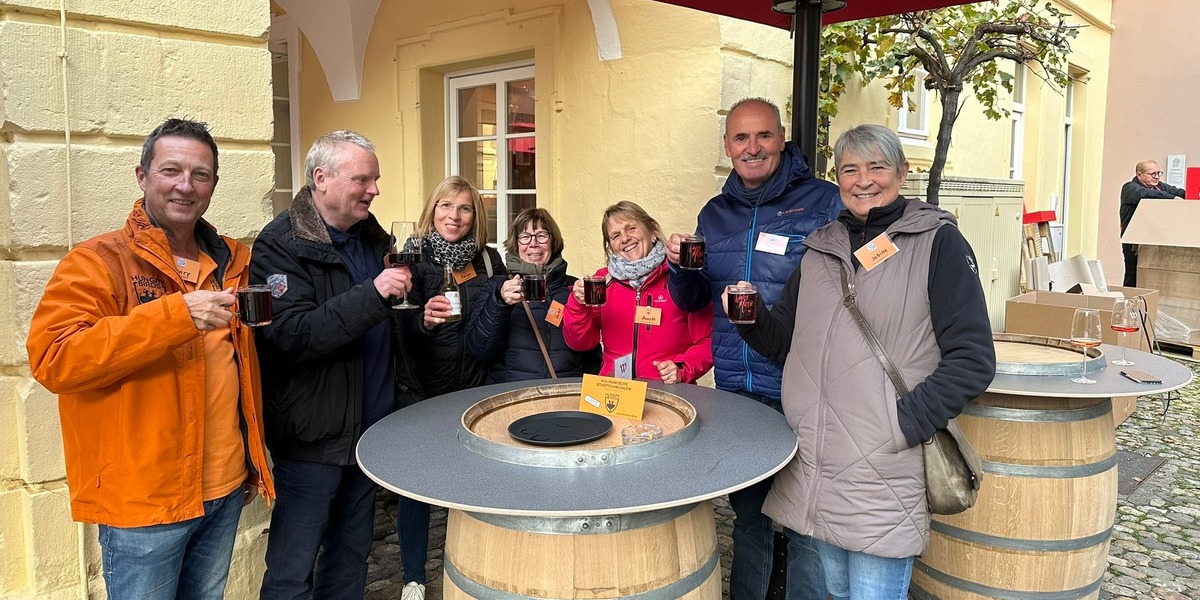
- Beer tastings and brewery tours in Munich
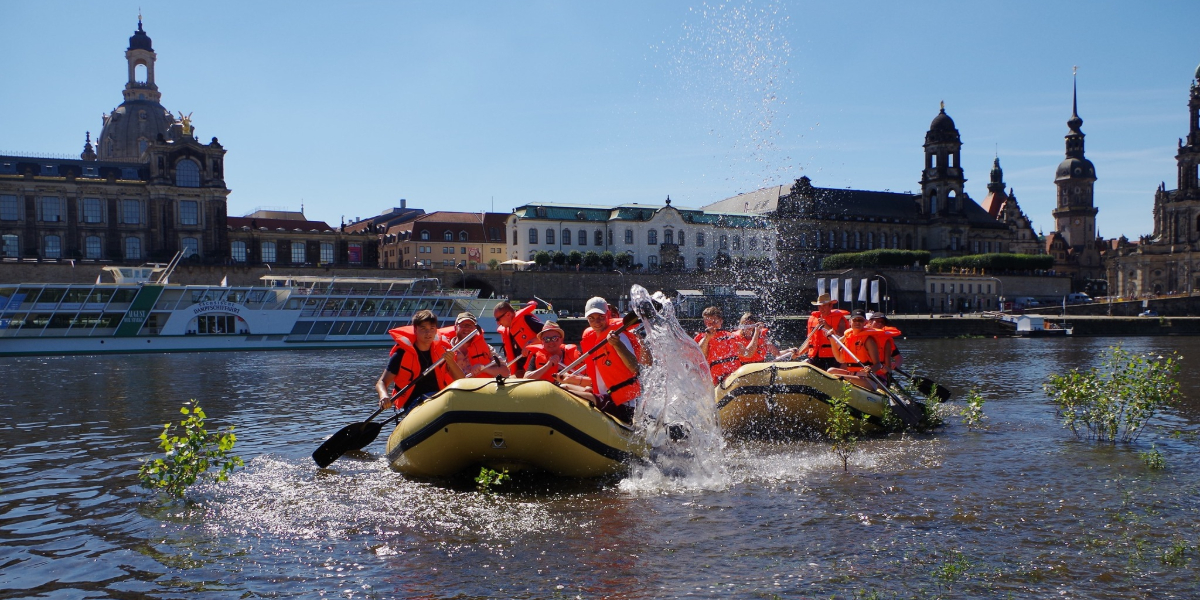
- River cruises in Hamburg and Cologne
- Street art and history tours in Berlin
- Castle visits in the Rhine Valley
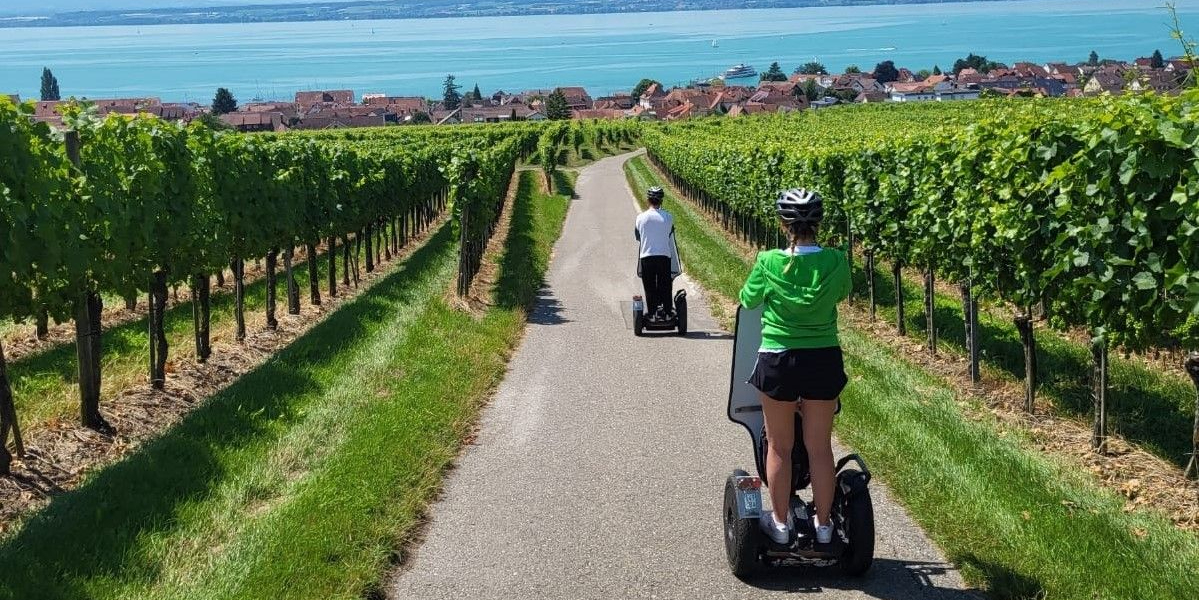
- Hiking and mountain activities in Bavaria
- Cooking workshops with regional German food
How long should a corporate retreat in Germany last?
Most teams stay for 3 to 5 days. In our experience hosting retreats in Germany, this length gives enough time for focused work sessions, social activities, and local exploration without creating travel fatigue.
Should we choose Berlin or Munich for a team retreat?
Berlin is usually better for creative teams, tech companies, and flexible retreat schedules, while Munich fits companies looking for a more premium atmosphere, organized experiences, and access to the Alps for outdoor activities.
Is Germany expensive for a company retreat?
Germany is usually more affordable than Switzerland or the Nordics, but costs vary by city. Berlin and Cologne are often cheaper than Munich, especially for hotels and dining. Smaller destinations outside major cities can reduce retreat costs significantly.
Can Germany support both work sessions and social experiences?
Yes, Germany is very practical for balancing productivity and leisure. Teams we’ve hosted often choose Germany because transport between venues, hotels, and restaurants is efficient, which helps retreats run smoothly even with larger groups.
What are the best areas to stay in Berlin for a retreat?
Mitte is best for central access and first-time visitors, Kreuzberg works well for creative and startup teams, and Prenzlauer Berg offers a quieter atmosphere with good restaurants and cafes for smaller offsites.





.webp)


.jpg)





_Teambuilding%2520-%2520Header.webp)


.webp)