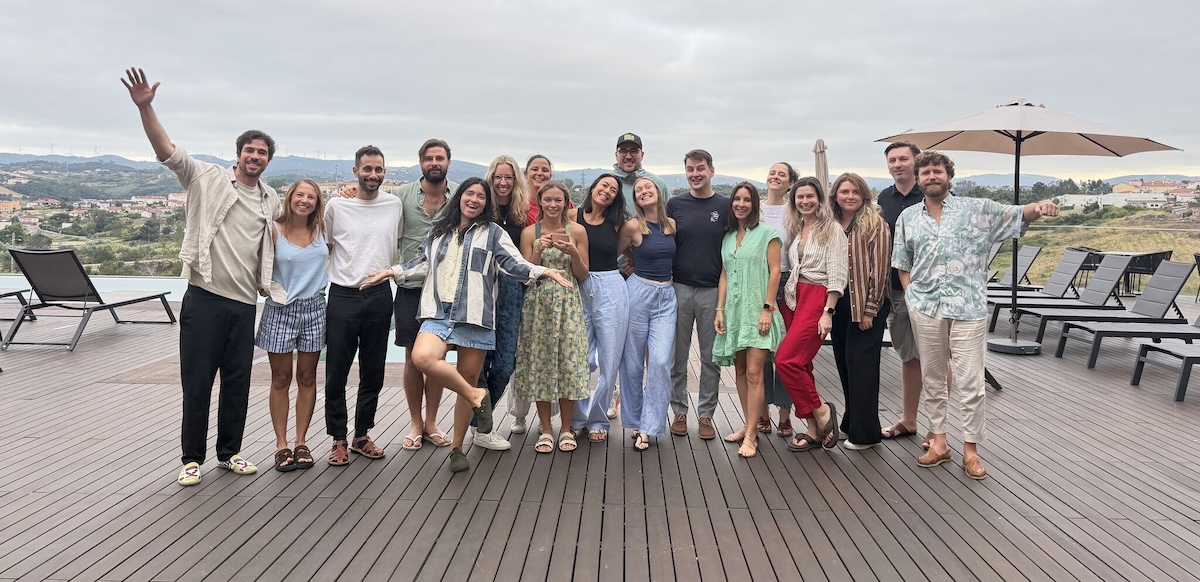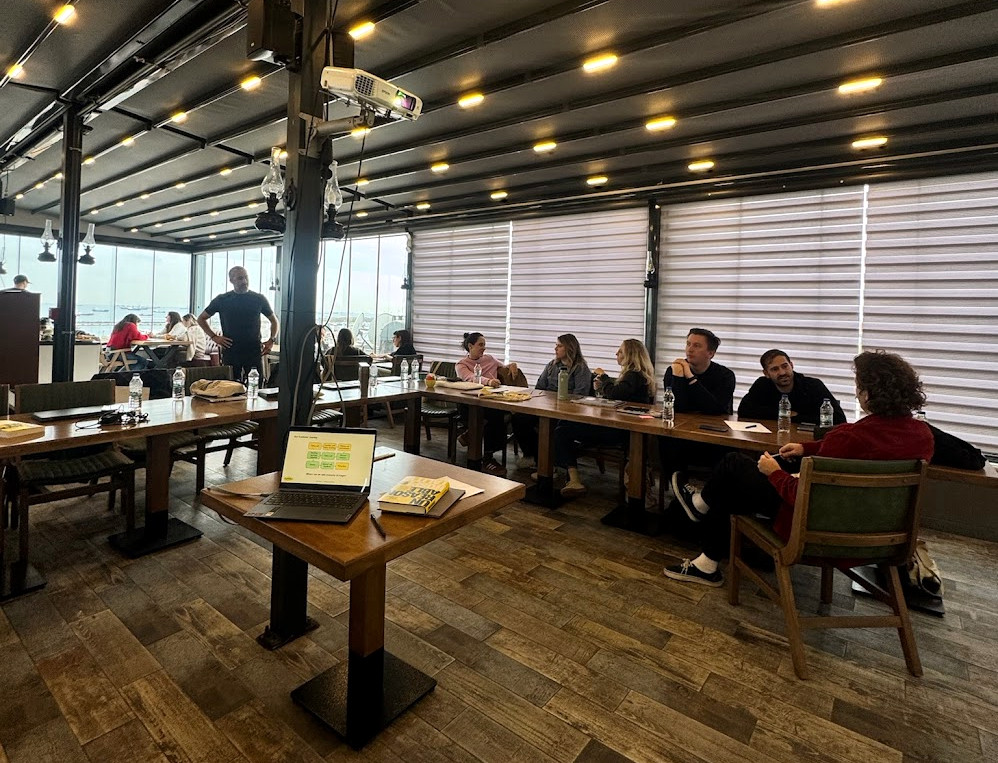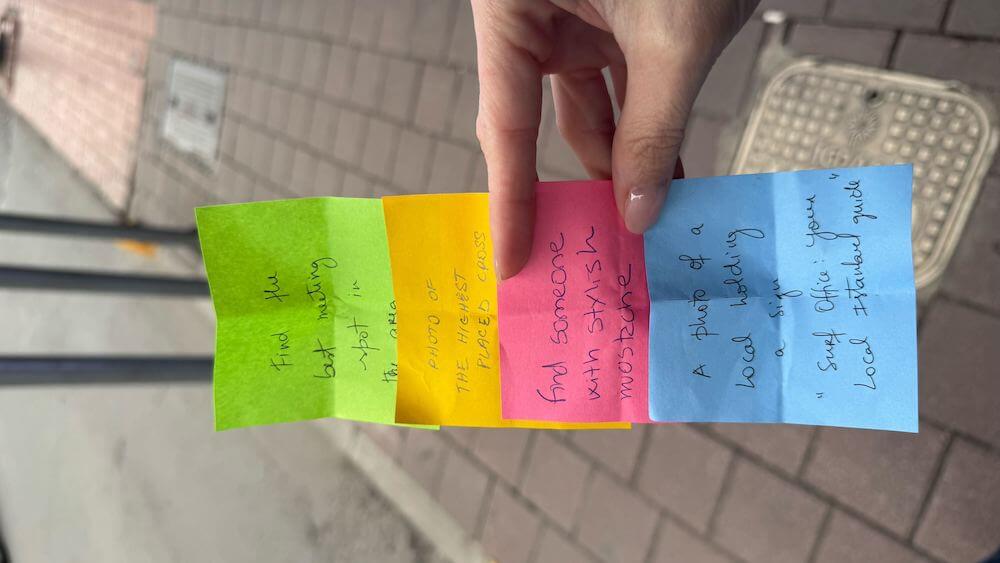


At Surf Office, we call ours the All-hands retreat. Other companies call it a company meetup, an annual offsite, or simply a retreat.
For us, it means the All Hands call but IRL, once a year extended into a few days.
We usually do it in the first or second week of December, from Monday to Thursday. The main goal is to spend time together. Over the years, we have changed the agenda, reconsidered some assumptions about locations, and learned that even an activity I would probably have vetoed can turn out to be fun.
Here is how we approach it, and why.
Why we always meet in early December
We arrived at December mostly by eliminating the months that did not work.
Our venue advisors, who help clients find locations and venues, are busiest from January to March. Our planning team has busy periods in April, May, and June, and again in September, October, and November.
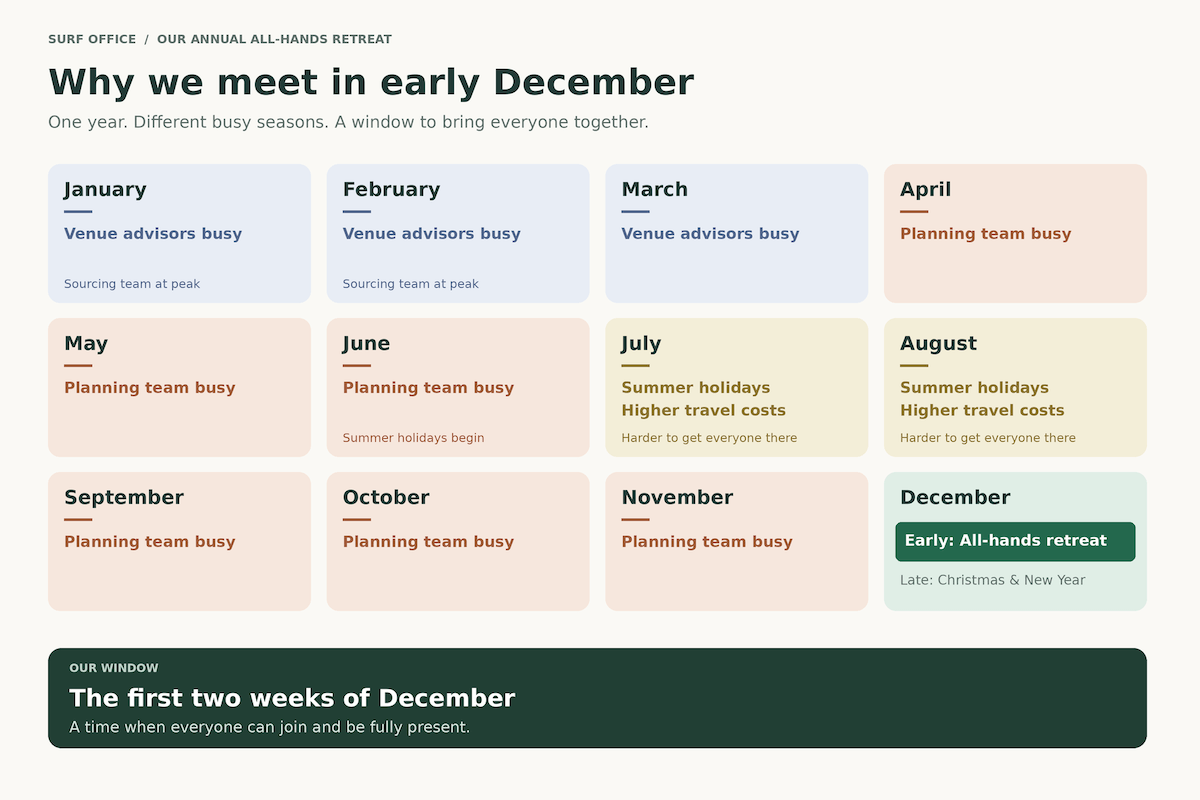
Summer brings holidays, higher travel costs, and the challenge of finding dates when everyone is available. Late December brings Christmas and New Year. That leaves the first two weeks of December, which work well for us.
Your company will probably have a different calendar. What matters is finding a period when people can actually be present. I do not want us to bring everyone together and then have half the team disappear into client calls or spend the day catching up on urgent work.
This retreat is an important part of our culture. We are a remote company, and although we organize workations during the year, those are optional.
Only part of the team joins. The all-hands retreat is the occasion when we want everyone there, so we plan around making that possible.
Keeping roughly the same dates every year also helps. Even before we announce the destination or exact dates, people know to keep early December in mind when making their own plans.
We check availability without putting the destination to a vote
Before confirming anything, we make sure everyone is available on the proposed dates. But we do not start with a company-wide vote on where to go (it only creates chaos).

We have internal criteria, and the people organizing the retreat use those to make the decision. Once everything is confirmed, we announce the destination, venue, and dates.
The first criterion is straightforward: can everyone get there easily?
We use the same tools we use with our clients, including our Location Finder. Most of our team is based in Europe, with some colleagues in the Americas and Asia, so Europe usually makes the most sense.
There is a budget consideration too. Taking a mostly Europe-based team to another continent for three nights would add a lot of travel time and expense. I expect we will continue meeting in Europe for that reason.
Visa requirements also influence the decision. We aim to choose destinations everyone can visit without needing a visa. The ability to travel to European company offsites is something we consider when hiring too, because we want everyone on the team to be able to attend without a complicated visa process.
Decent weather is enough
For a December retreat, we usually consider Southern Europe. We want somewhere people are excited to visit, ideally with decent weather, but we are not expecting summer.
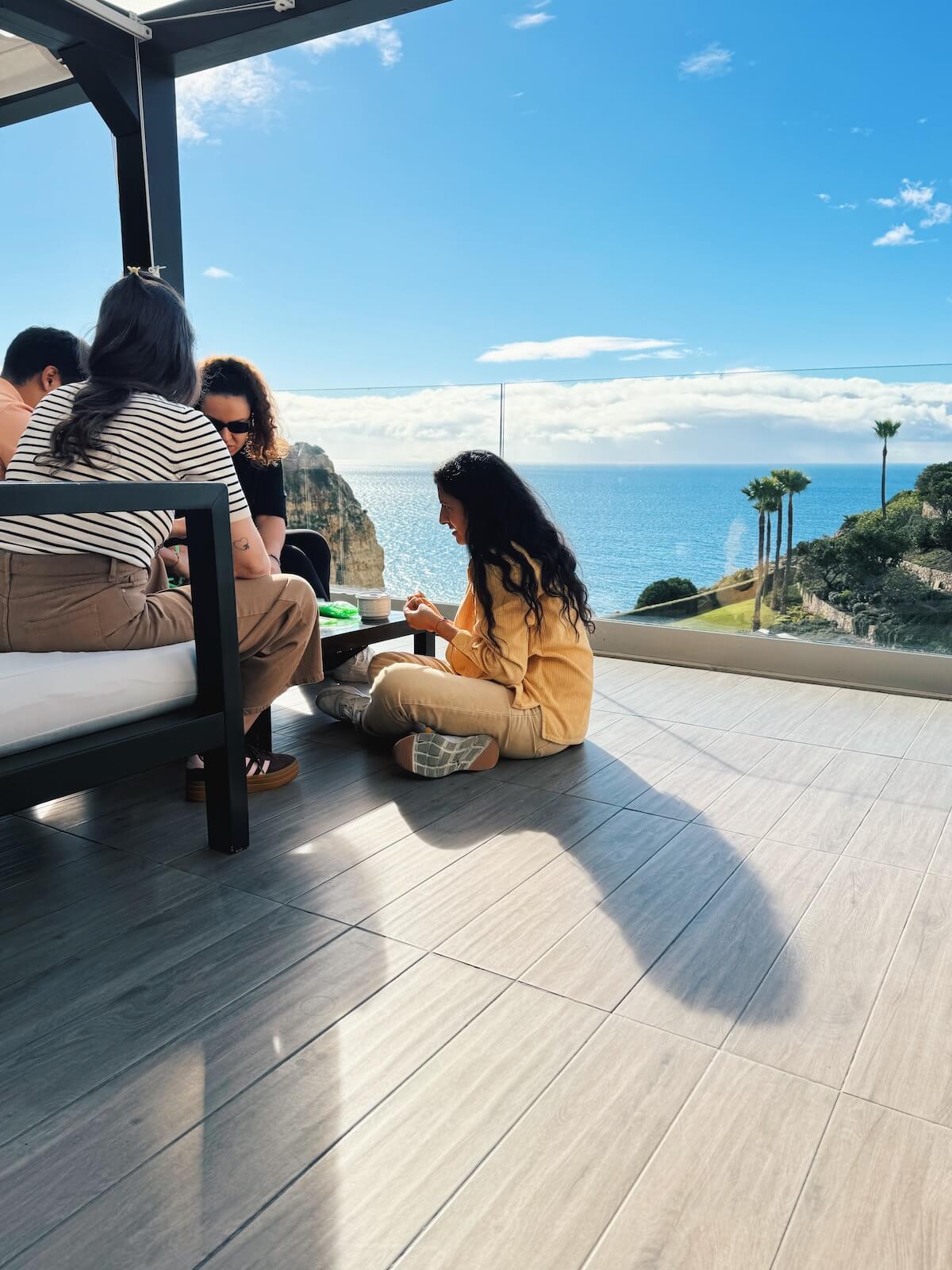
This is something we often recommend to clients looking for good value for money: consider Spain, Portugal, Southern Italy, or Greece between November and April.
In our experience, you can get better value outside the busiest season, and you might get sunshine and pleasant temperatures too. You have to be comfortable with the possibility that you will not.
For our own retreat, good weather is a bonus. Getting everyone together easily matters more.
How we choose the venue
Accommodation is a significant part of the budget, so we look for a good deal. Meeting in early December already helps.
Sometimes hotel partners we work with invite us to stay for free or at a substantial discount. We consider those opportunities as part of the decision too.
We generally lean toward countryside venues. When we only have a few days, I like people being in the same place. It makes it easier to sit down for a coffee, join a conversation, or spend an unplanned hour together.
In a city, people can scatter. Someone goes sightseeing, someone finds a café, and others head off in another direction. None of that is bad, but it changes how much time we spend together.
Then again, last year we went to Istanbul, and it was epic. Many people said it was the best retreat we had ever organized. So I have to leave room to reconsider my preference for the countryside.
The purpose has changed as the company has grown
The main reason we organize our all-hands retreat is that we are a distributed team and we want to meet. Team bonding is the priority.
Earlier in the company's life, the agenda looked different. When our product-market fit was less clear and our processes were messier, we spent more time discussing the product, strategy, and how the business should operate.
There are still plenty of things to improve. But I believe we have built a culture where we can make improvements async and try new ideas throughout the year. We do not need to wait for the annual retreat to change something important.
That gives us more freedom to focus these few days on relationships.
We still have workshops and working sessions. We just think carefully about which ones benefit from having everyone in the same room.
Monday to Thursday is the right length for us
Our usual structure is simple:
- Monday: Arrivals, informal coworking, and a welcome dinner
- Tuesday: Morning sessions and afternoon team activities
- Wednesday: Morning sessions and afternoon team activities
- Thursday: Departures and informal coworking around travel plans
We leave arrival and departure days largely open. People can work, have coffee, chat, or brainstorm organically. Everyone aims to arrive in time for the welcome dinner on Monday.
Tuesday and Wednesday are the two fuller days. That gives us enough time together without stretching the retreat too far.
I have found that Monday to Friday can get tiring, including for people over 40 like me 😀 It can also be a lot of social time for introverts. Three nights feels like a good balance for our team.
Some people arrive a day early or stay longer. Those extensions are often self-organized, although we sometimes arrange something when several people have the same plans.
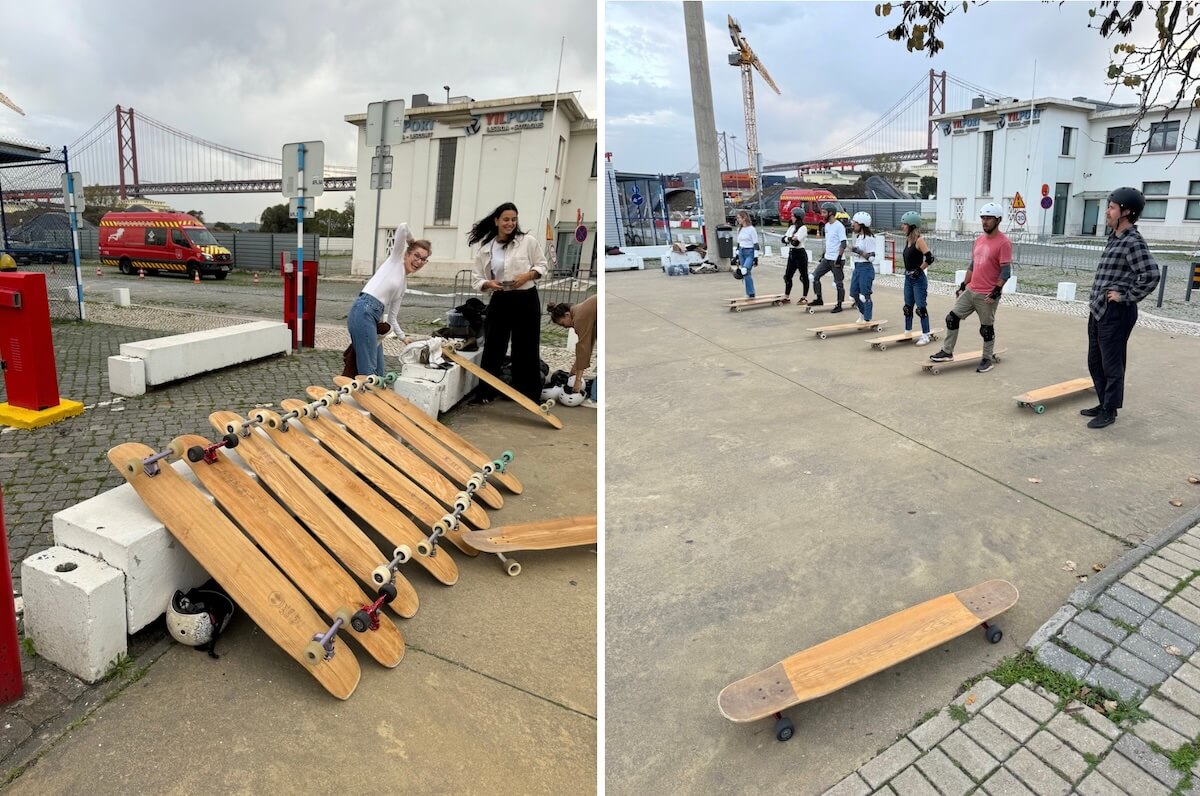
Before our Algarve retreat, for example, a few colleagues were traveling through Lisbon and spending a night there. We organized a longboarding workshop and then went to a samba concert. It became a very fun warm-up to the retreat itself.
Morning sessions need a reason to happen in person
We keep the mornings reasonably relaxed. After breakfast, sessions usually begin around 9:30 and run until lunch.
When choosing a workshop, I ask: what can we do together that we cannot do as well async?
If you take that question seriously, the list gets shorter.
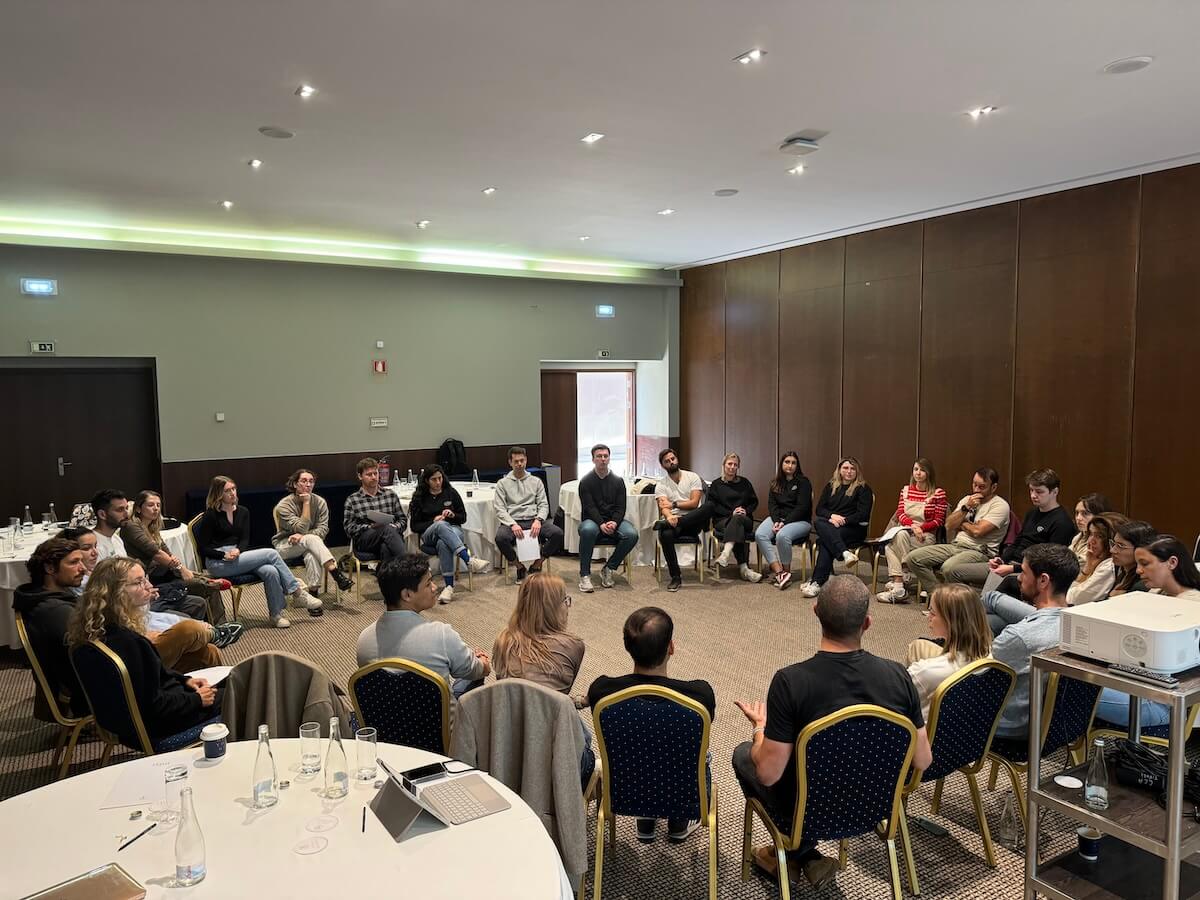
One example that worked well was a session about Unreasonable Hospitality. Everyone on the team had read the book, and we brainstormed how we could apply its ideas to our business and the retreats we organize.
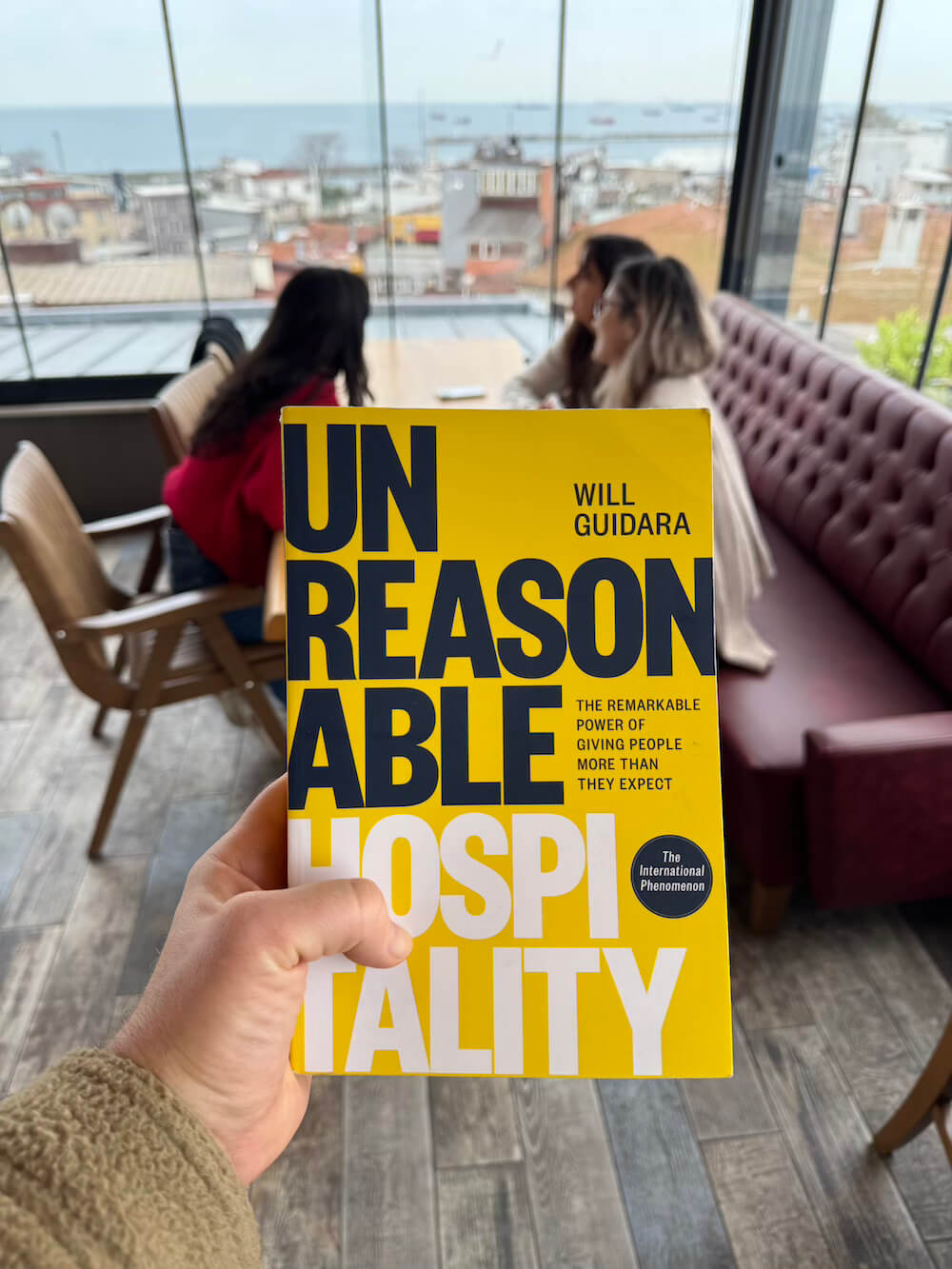
Having everyone together helped that discussion. People could build on each other's ideas and consider how they might work in practice. That is the kind of session I want to make space for.
We also try to choose topics the whole team can participate in. This is one of the few occasions when everyone is together, so we want to use that opportunity well.
Activities should make it easy to spend time together
Afternoons are usually for team activities. My preference is for something inclusive, natural, and easy to talk during.
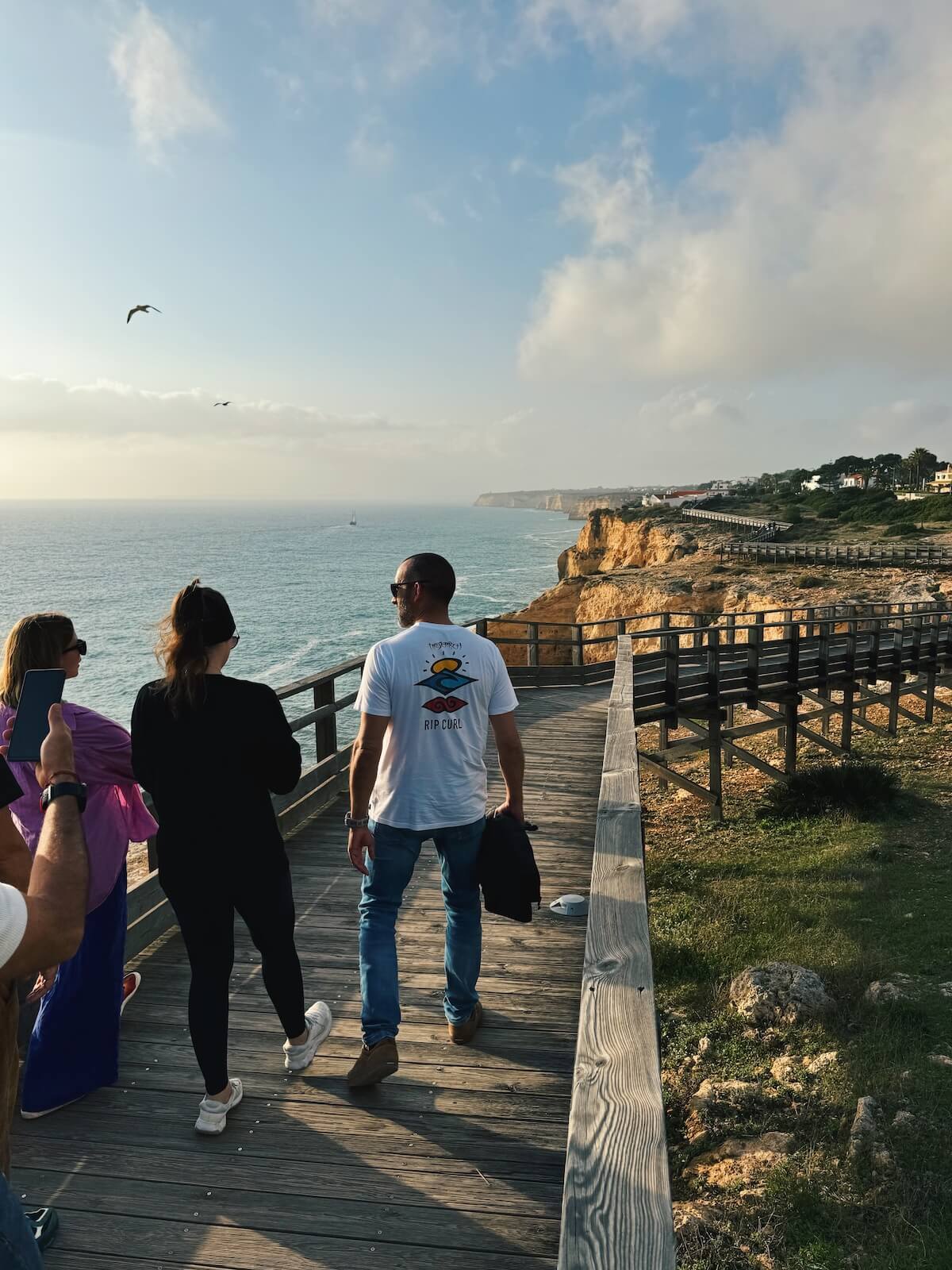
An easy coastal walk is a good example. You explore the area, talk in small groups, have a one-to-one conversation, or walk quietly for a while if you feel like it. Add a meal or drinks along the way, and it can make a very good afternoon.
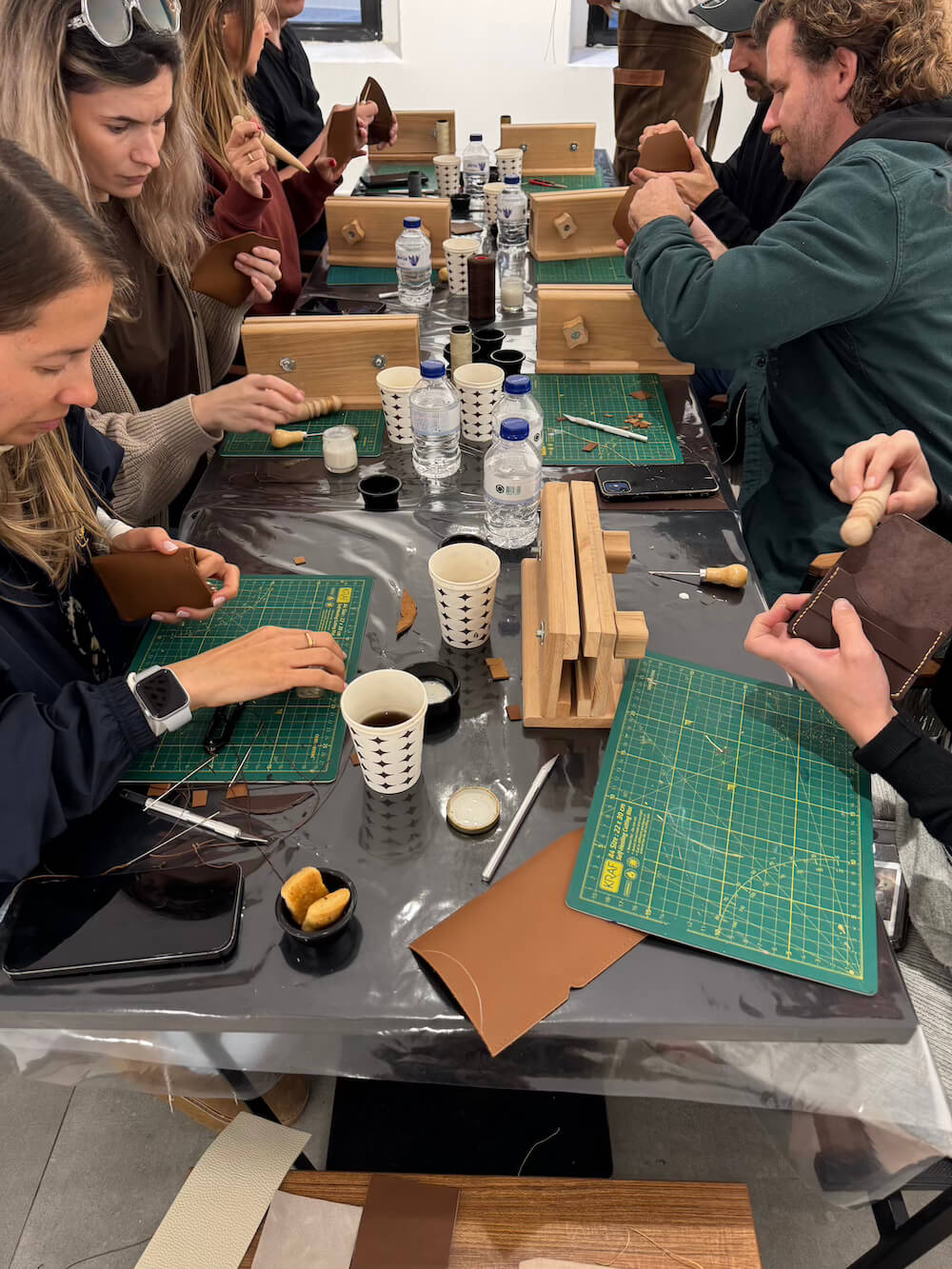
Cooking classes work well too. You make something together, and there is plenty of room for conversation. I also like activities connected to the local culture. In Istanbul, we had workshops making local lamps and leather products.
I generally try to avoid anything that feels cringe 🫠 But maybe I have been wrong about this.
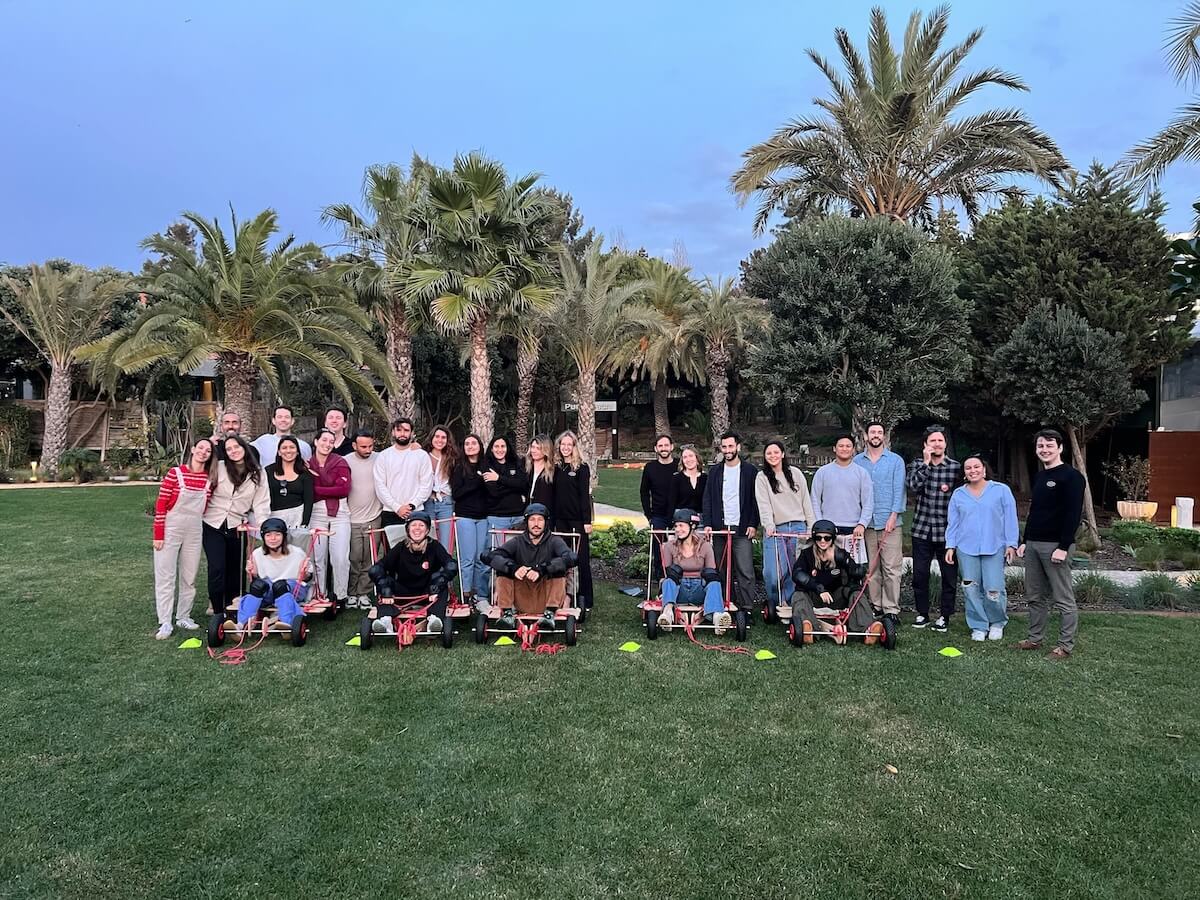
In the Algarve, the team organized an activity where we assembled wooden cars and then raced them. They had not told me beforehand. I suspect I would have been against it if they had.
It turned out to be fun. Really fun. So apparently I need to keep more open minded 😀
There is also room for people to organize their own activities. Our colleague Lola organizes morning running clubs, and we even have a running club hat for people who join.

Making the retreat comfortable for different people
I used to be more enthusiastic about activities such as wine tasting. But many people on our team do not drink, or have stopped drinking, so we have moved away from making alcohol the focus of activities.
In Istanbul, for example, we did a cocktail workshop where all the drinks were non-alcoholic. Everyone could enjoy the same experience.
I also think about how the retreat feels to people who find large groups exhausting. I read a Reddit thread where people described why they disliked corporate offsites, and it was a useful reminder that an organizer's idea of fun can be someone else's uncomfortable afternoon.
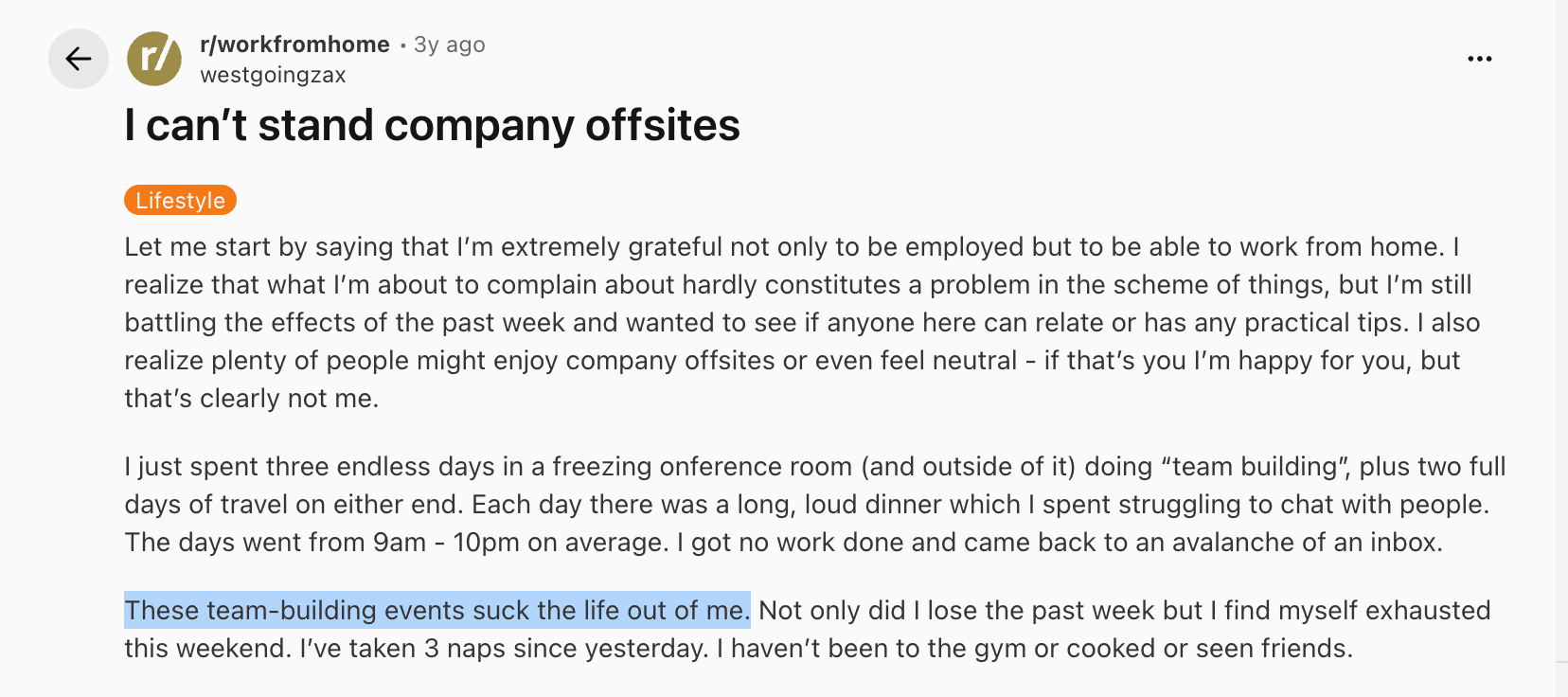
Not everyone wants to speak in front of a group, take part in an activity involving physical contact, or be constantly social. I do not want us to assume that everyone is comfortable just because nobody objects.
That influences the activities we choose, the length of the retreat, and the space we leave around the agenda. I want everyone to join the retreat and feel involved, while still having room to participate comfortably.
Retreat swag
We have a tradition of making retreat swag, and I enjoy this part more than I probably should.
My main rule is that it should be useful. Ideally, it is something people actually want to wear or keep using.
On the first day, I put the swag on a table in the meeting space and let people take what they want. Anything left over comes home with me.
I prefer that to giving everyone a fixed package. If someone does not want an item, I would rather keep it than have them take it home and eventually throw it away.
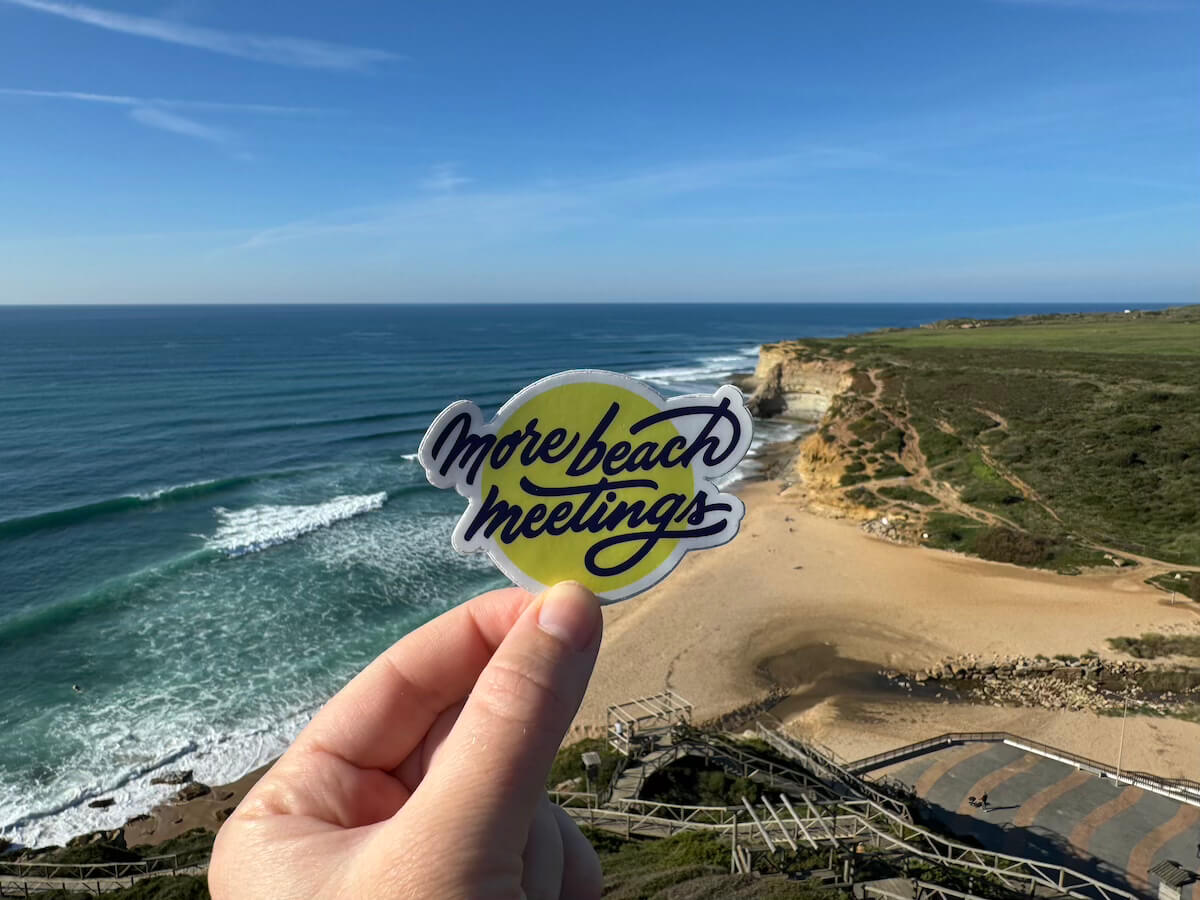
I also like making stickers connected to the destination. They are a small reminder of that particular retreat.
Whenever I find good swag inspiration, I add it to my little website, Swagalogue. If you have seen something worth adding, send it my way!
We go through the same process as our clients
Usually, two people from our team plan the retreat internally. They organize it using the same process we use for client retreats, so the rest of us get to experience it as participants.
We have a dashboard with all the practical information. There is an arrival form where people share their travel details, dietary requirements, and other information the planners need.
We also create a WhatsApp group for updates during the retreat. Messages such as “We are meeting here in 15 minutes” are much easier to follow when everyone receives them in the same place.
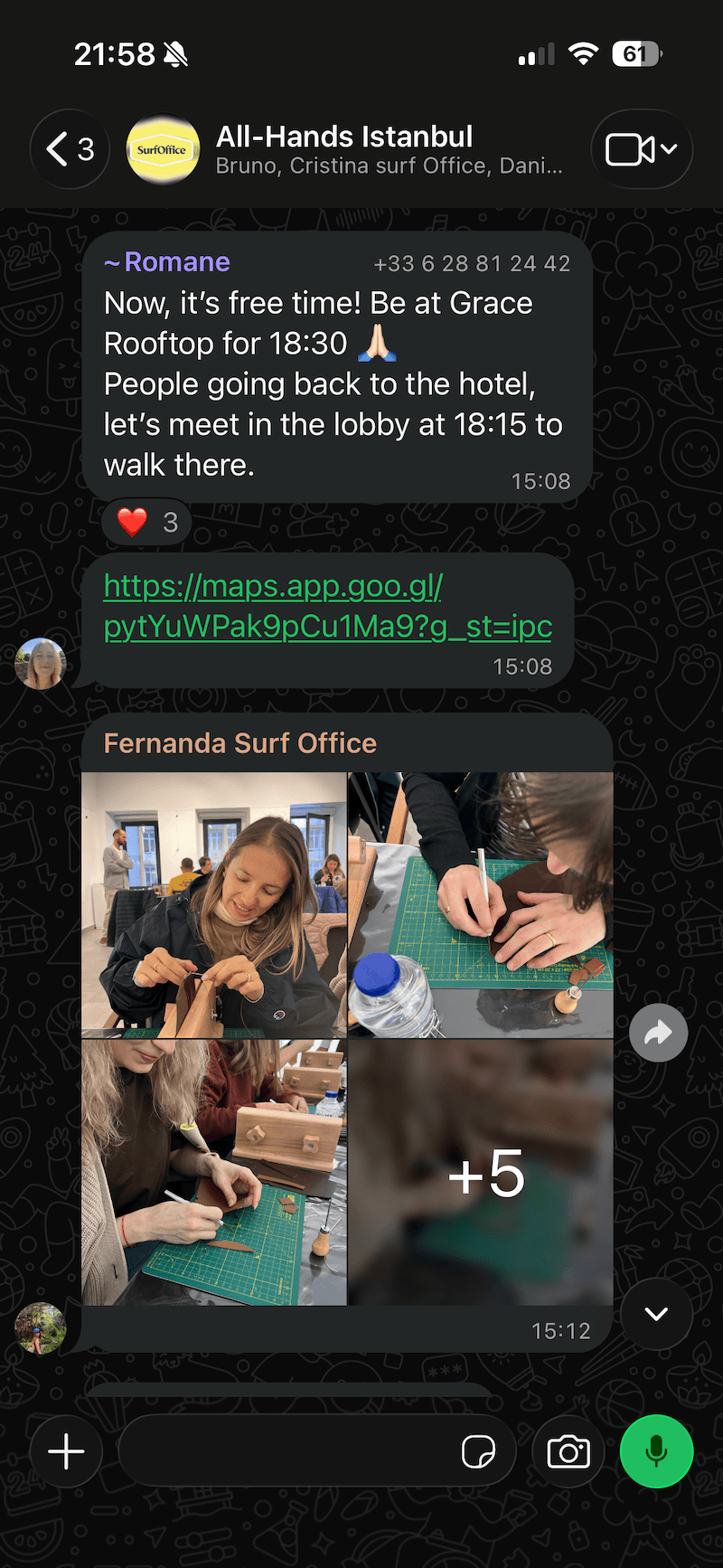
Going through the experience ourselves helps us spot things we could improve. Is the information clear? Could something be organized differently? What would make the participant experience easier?
Our own retreat also gives us more room to experiment with ideas we might not yet feel ready to use with clients. We can try an activity or a different approach and see how it works firsthand.
After all the venue decisions, travel arrangements, workshops, and activities, the thing I care most about is whether people had time to enjoy being together. We spend most of the year working from different places.
These few days give us shared experiences and conversations we would otherwise miss, and I want to leave enough room for them to happen.